
Introduction
In recent years, cannabis has gained attention not just for its recreational use, but also for its potential therapeutic benefits—particularly in the realm of mental health. As anxiety and depression continue to affect millions of people globally, many are turning to cannabis in hopes of finding relief. But does it really help, and what does the science say?
Understanding Cannabis and Its Key Compounds
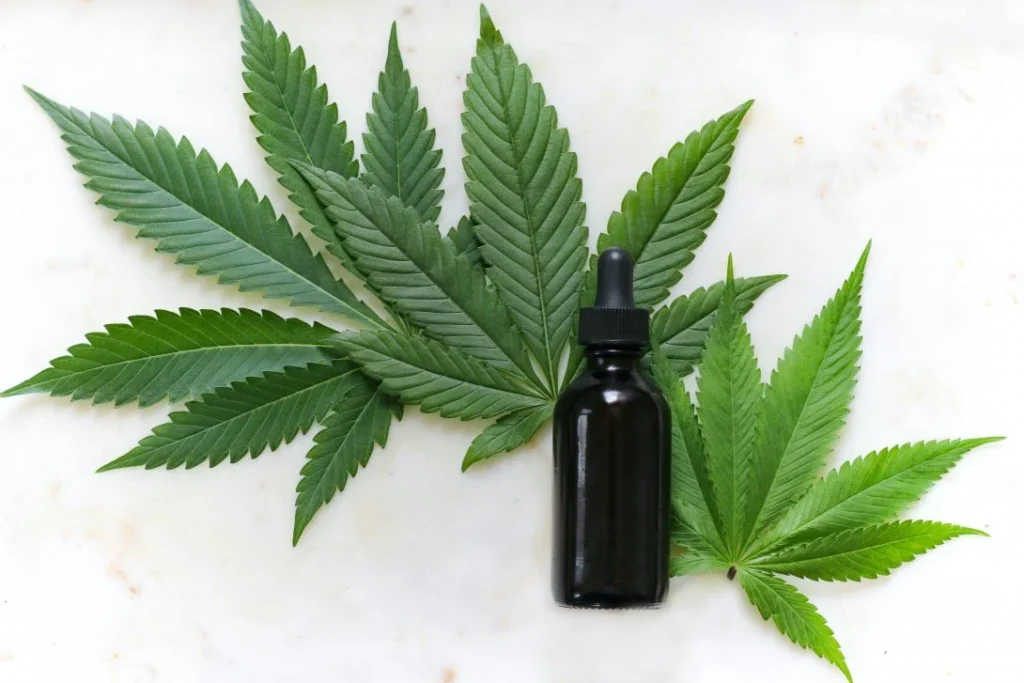
Cannabis contains more than a hundred active compounds, but two of the most well-known are THC (tetrahydrocannabinol) and CBD (cannabidiol). THC is responsible for the plant’s psychoactive effects, while CBD is non-intoxicating and has shown promise in reducing anxiety and improving mood.
These compounds interact with the body’s endocannabinoid system, which plays a role in regulating mood, stress response, and emotional balance. This interaction has led researchers to explore whether cannabis can positively affect conditions like anxiety and depression.
Cannabis and Anxiety: A Complicated Relationship
Many individuals who use cannabis report experiencing a sense of calmness and relaxation that helps them better manage stressful situations. Among cannabis’s components, CBD has attracted significant attention due to its potential anxiolytic, or anti-anxiety, properties. Scientific studies have shown promising results, indicating that CBD may help reduce symptoms of social anxiety, which is the fear or avoidance of social situations due to worry about judgment or embarrassment. Additionally, CBD has been found to improve sleep quality, particularly when anxiety disrupts normal sleep patterns, helping users fall asleep more easily and experience more restful nights. Beyond these effects, many users also report an overall improvement in their mood and sense of well-being after using CBD.
On the other hand, THC’s effects on anxiety are more complicated and less predictable. At low doses, THC can induce feelings of relaxation and euphoria that might help lessen anxiety. However, when consumed in higher doses, THC has the potential to increase anxiety levels instead of reducing them. In some cases, high THC intake can trigger paranoia, characterized by irrational fears or suspicious thoughts, as well as racing or intrusive thoughts that make it difficult to relax. These effects are particularly common among new cannabis users or people who are naturally sensitive to THC’s psychoactive properties. Because everyone’s brain chemistry and tolerance differ, how someone responds to THC can vary widely from person to person. This unpredictability makes it crucial to carefully consider the dosage and cannabis strain when using cannabis to manage anxiety, opting for strains with balanced THC and CBD levels or those higher in CBD to minimize adverse effects.
Can Cannabis Help with Depression?
Research on the relationship between cannabis and depression is still in its early stages, with scientists working to better understand how different cannabis compounds affect mood and emotional health. Some studies have indicated that cannabis—especially strains or products rich in CBD—might help alleviate certain symptoms of depression. CBD appears to support the brain’s natural ability to regulate mood by interacting with the endocannabinoid system, which plays a vital role in maintaining emotional balance and stress response. Additionally, emerging research suggests that CBD may encourage neurogenesis, the growth of new neurons, particularly in the hippocampus. The hippocampus is a critical brain region involved in memory, learning, and emotional regulation, and it often shows reduced activity or volume in individuals experiencing depression. By promoting neurogenesis, CBD might contribute to improved mood and cognitive function over time.
However, it’s important to approach cannabis as a treatment for depression with caution. Relying solely on cannabis, especially strains high in THC, may carry risks. Chronic or heavy use of high-THC cannabis has been associated in some cases with worsening mood symptoms, increased feelings of anxiety or paranoia, and a decline in motivation and energy levels. This phenomenon is sometimes called “amotivational syndrome,” where users experience a lack of drive, decreased interest in activities, and diminished goal-oriented behavior. Although the existence and causes of amotivational syndrome are still debated and require more rigorous scientific investigation, it highlights the potential downside of frequent or excessive cannabis use for mental health. Therefore, those considering cannabis for depression should do so under medical supervision and ideally as part of a broader treatment plan that includes therapy and lifestyle support.
Strain and Dosage Matter
When considering cannabis for mental health purposes, it’s important to recognize that not all cannabis products are the same, and choosing the right one can significantly impact your experience and outcomes. Products that are rich in CBD tend to be favored for managing anxiety and depression because CBD does not produce the intoxicating effects associated with THC, making it a safer option for many people. CBD’s calming properties can help reduce feelings of nervousness and improve mood without causing the psychoactive “high” that some users find uncomfortable or anxiety-inducing.
In addition to CBD-dominant products, certain cannabis strains classified as Indica or hybrid varieties with a balanced ratio of THC to CBD are sometimes recommended. Indica strains are traditionally associated with calming and sedative effects, which may help support relaxation and emotional stability. Hybrids with a carefully balanced THC-to-CBD ratio can provide mild psychoactive effects that enhance mood and relaxation without overwhelming the user or causing adverse reactions like paranoia or heightened anxiety. Selecting strains with the appropriate cannabinoid profile and terpene content is essential to tailor the effects to your mental health needs.
Another strategy gaining popularity is microdosing, which involves consuming very small, controlled amounts of cannabis—often far less than a typical recreational dose. Microdosing aims to harness the therapeutic benefits of cannabis while minimizing the risk of side effects such as dizziness, paranoia, or sedation. By starting with a low dose and slowly increasing it based on how your body responds, you can find the minimal effective dose that supports your mental health without feeling intoxicated or uncomfortable. This careful approach mirrors the principles used in other medical treatments and supplements, emphasizing individualized care and ongoing monitoring. Tracking your response to each dose and adjusting accordingly helps ensure the best balance between benefits and potential side effects, making microdosing a practical method for those new to cannabis or sensitive to its effects.
Safety and Considerations
While cannabis shows promise in alleviating symptoms of anxiety and depression for some individuals, it is important to recognize that it is not a one-size-fits-all remedy. Certain populations, particularly those with a history of serious mental health conditions such as bipolar disorder or schizophrenia, need to exercise caution. In these cases, cannabis use—especially products high in THC—can potentially exacerbate symptoms or trigger episodes, making the condition more difficult to manage. Similarly, individuals with a history of substance abuse or addiction should consult a healthcare professional before using cannabis, as it may increase the risk of dependency or interfere with recovery efforts.
Beyond these specific groups, it is crucial to understand that cannabis should never replace professional mental health care. Persistent or severe anxiety and depression require comprehensive treatment plans developed with the help of medical professionals. This might include therapy, counseling, lifestyle changes, and, when appropriate, prescription medications. Cannabis can serve as a complementary tool within this broader framework but should be integrated thoughtfully and under medical supervision. Relying solely on cannabis without addressing the underlying causes of mental health challenges or without professional guidance may delay effective treatment and potentially worsen outcomes. If you are struggling with ongoing mental health issues, reaching out to a doctor, psychiatrist, or licensed therapist remains the most important step toward recovery and long-term well-being.
Legal and Quality Concerns
Cannabis laws and regulations differ widely depending on where you live, so it’s essential to be fully aware of your local legal status before purchasing or using any cannabis products. In some regions, cannabis may be fully legal for both medical and recreational use, while in others, it might be allowed only for medical purposes or remain completely prohibited. Using cannabis in areas where it is illegal can lead to serious legal consequences, so staying informed about current legislation helps protect you from unintended violations.
If you decide to incorporate cannabis into your routine for managing anxiety or depression, it’s equally important to prioritize safety and quality. Opt for products sold by reputable dispensaries or licensed providers that adhere to strict quality control standards. One key factor to look for is third-party lab testing, which means the product has been independently analyzed by an accredited laboratory. These tests verify the potency of cannabinoids like THC and CBD, and—just as importantly—confirm that the product is free from harmful contaminants such as pesticides, mold, heavy metals, or residual solvents. Contaminated or low-quality cannabis products can pose serious health risks and may worsen mental health symptoms rather than improve them.
By purchasing from trustworthy sources and verifying lab results, you can ensure that you’re using safe, reliable cannabis products. This not only maximizes the potential therapeutic benefits but also minimizes the risk of adverse effects, giving you greater peace of mind as you explore cannabis as part of your mental health care plan.
Also Read: Exploring the Role of Cannabis in Sleep Improvement
Final Thoughts
Cannabis shows promise in helping manage symptoms of anxiety and depression, particularly when it comes to CBD. However, its effects can differ from person to person, and long-term outcomes are still being studied. Used mindfully and in moderation, cannabis may offer relief and improve emotional well-being for some individuals—but it should be approached with care, education, and professional support when needed.
If you’re curious about incorporating cannabis into your mental health routine, speak with a healthcare provider who understands cannabis-based therapies. With the right guidance, cannabis might be a useful tool on your path to feeling better, naturally.
