

Growing healthy cannabis plants requires more than quality genetics and proper nutrients. Environmental conditions play an equally important role, and one of the biggest challenges growers face is preventing mold and mildew. These fungal problems can damage leaves, reduce plant vigor, and in severe cases, ruin entire harvests if they are not addressed promptly.
The good news is that mold and mildew are often preventable with proper cultivation practices. By maintaining the right balance of humidity, airflow, temperature, and cleanliness, growers can create an environment that is less favorable for fungal growth.
In this guide, we’ll explain what mold and mildew are, why they develop on cannabis plants, and the practical steps you can take to reduce the risk throughout the growing cycle.
What Are Mold and Mildew?
Mold and mildew are fungi that thrive in warm, damp, and poorly ventilated environments. Although the terms are sometimes used interchangeably, they are slightly different.
- Mildew usually appears as a white or gray powdery coating on leaves and stems.
- Mold often develops deeper within dense flowers or on decaying plant material and may appear white, gray, brown, or black depending on the type.
Both can interfere with healthy plant growth and should be managed as early as possible.
Why Cannabis Plants Are Susceptible
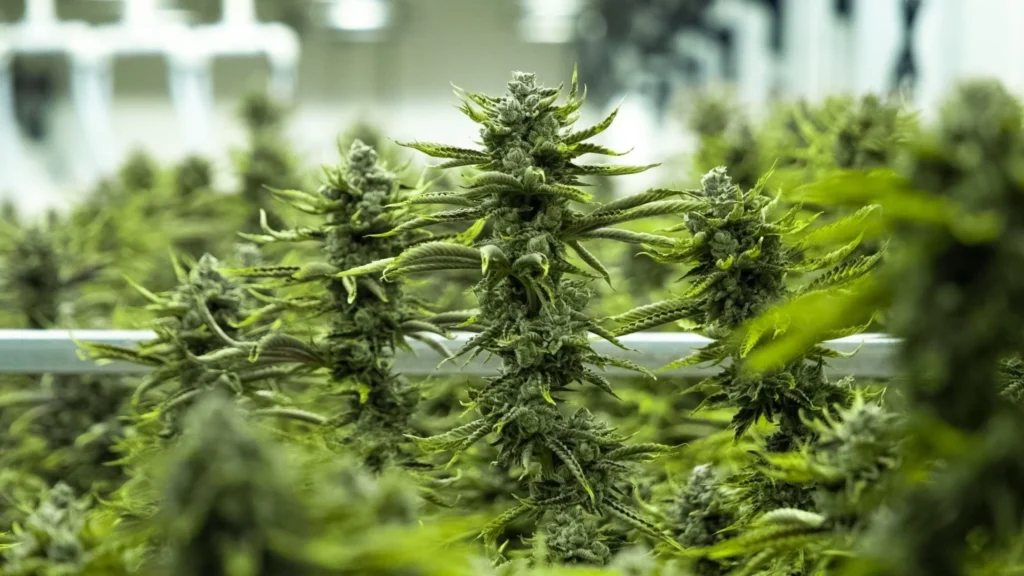
Cannabis plants naturally produce dense foliage and, during flowering, compact buds. If moisture becomes trapped around the plant, fungal spores can multiply quickly.
Several factors increase the risk, including:
- High humidity
- Poor air circulation
- Overwatering
- Crowded plants
- Wet leaves
- Sudden temperature changes
- Poor sanitation
Understanding these conditions is the first step in prevention.
Common Types of Fungal Problems
Powdery Mildew
Powdery mildew is one of the most common fungal issues in cannabis cultivation.
Signs include:
- White powder-like spots on leaves
- Yellowing foliage
- Reduced photosynthesis
- Slower plant growth
If left untreated, it can spread rapidly throughout the grow space.
Bud Rot (Botrytis)
Bud rot develops inside dense flowers where moisture becomes trapped.
Early signs may include:
- Brown or gray patches
- Soft or decaying flowers
- Wilted sugar leaves
- Musty odor
Because it often starts inside the buds, it may not be immediately visible.
Maintain Proper Humidity
Humidity is one of the most important environmental factors in preventing fungal growth.
General recommendations include:
- Seedling stage: 65–70% relative humidity
- Vegetative stage: 50–70% relative humidity
- Flowering stage: 40–50% relative humidity
Lower humidity during flowering helps reduce the likelihood of mold developing inside dense buds.
Using a hygrometer allows you to monitor humidity accurately.
Improve Air Circulation
Good airflow helps keep leaves and flowers dry.
Indoor growers can improve circulation by:
- Using oscillating fans
- Maintaining adequate spacing between plants
- Avoiding stagnant air pockets
Outdoor growers should choose locations with natural airflow whenever possible.
Air movement should be gentle rather than excessively strong.
Avoid Overwatering
Overwatering creates excess moisture that encourages fungal growth.
Instead of watering on a fixed schedule, check the soil before watering.
Good practices include:
- Allowing the top layer of soil to dry slightly
- Using containers with drainage holes
- Avoiding waterlogged growing media
Healthy root systems also contribute to stronger plants that are better able to cope with environmental stress.
Water at the Right Time
For outdoor cultivation, watering early in the morning allows excess moisture to evaporate during the day.
Avoid watering late in the evening, as cooler nighttime temperatures can leave foliage damp for longer periods.
Indoor growers should also avoid leaving standing water around plants.
Provide Adequate Plant Spacing
Crowded plants restrict airflow and trap humidity.
Proper spacing allows:
- Better air movement
- Improved light penetration
- Faster drying after watering
- Easier plant inspection
Pruning lower growth and removing unnecessary leaves can further improve ventilation.
Keep the Growing Area Clean
Good sanitation helps reduce fungal spores.
Regularly:
- Remove dead leaves
- Clean growing equipment
- Sanitize tools
- Dispose of infected plant material
- Keep the floor free of debris
Clean environments reduce opportunities for mold to establish itself.
Monitor Temperature
Temperature and humidity work together.
Large temperature swings can create condensation on leaves and flowers.
Aim to maintain stable conditions suitable for your stage of growth while avoiding prolonged periods of excessive heat or cold.
Inspect Plants Frequently
Routine inspections allow you to identify problems before they spread.
Look for:
- White powder on leaves
- Brown spots
- Wilting
- Discolored flowers
- Unusual odors
- Moist areas inside buds
Early detection makes management much easier.
Use Proper Ventilation Indoors
Indoor cultivation benefits from well-designed ventilation systems.
A typical setup may include:
- Intake vents
- Exhaust fans
- Carbon filters (where appropriate)
- Oscillating circulation fans
Ventilation removes humid air and replaces it with fresh air, helping maintain a balanced environment.
Control Moisture During Flowering
The flowering stage requires extra attention because dense buds can trap humidity.
During flowering:
- Lower humidity levels
- Avoid spraying water directly on flowers
- Improve airflow around buds
- Inspect flowers regularly
These steps reduce the risk of bud rot developing.
Choose Healthy Genetics
Some cannabis varieties naturally develop denser flowers than others.
Dense buds may require closer monitoring in humid environments because they retain moisture more easily.
When growing in regions with high humidity, selecting cultivars known for good resistance to environmental stress may help reduce risk.
Handle Plants Carefully
Damaged plant tissue can become more susceptible to fungal infection.
When pruning or training plants:
- Use clean tools
- Avoid unnecessary damage
- Remove only healthy amounts of foliage
- Sanitize equipment between plants
Proper handling supports healthier growth.
Dry and Cure Correctly After Harvest
Preventing mold doesn’t end at harvest.
During drying:
- Maintain appropriate airflow
- Avoid excessive humidity
- Prevent overcrowding of hanging branches
Proper curing in airtight containers with periodic air exchange also helps preserve quality while minimizing moisture-related problems.
Common Mistakes That Increase Mold Risk
Avoid these common cultivation errors:
1. Overcrowding Plants
Dense canopies trap moisture and reduce airflow.
2. Ignoring Humidity
High humidity during flowering is one of the biggest contributors to fungal growth.
3. Poor Ventilation
Still air allows moisture to accumulate around leaves and flowers.
4. Wet Foliage
Leaving water on leaves for long periods encourages fungal development.
5. Delayed Inspection
Waiting until symptoms become severe often makes the problem much harder to manage.
Frequently Asked Questions
1. What causes powdery mildew on cannabis plants?
Powdery mildew develops when fungal spores thrive under favorable conditions, often involving high humidity, poor airflow, and crowded plant growth.
2. Can mold spread from one plant to another?
Yes. Fungal spores can spread through air movement, water, contaminated tools, or direct plant contact.
3. Does high humidity always cause mold?
Not by itself. Mold usually develops when high humidity is combined with poor air circulation, moisture buildup, and favorable temperatures.
4. Should I inspect plants every day?
Regular inspections are highly recommended, especially during the flowering stage when dense buds are more vulnerable to moisture-related problems.
Also Read: Cannabis Tolerance: Why It Happens and How to Manage It
Final Thoughts
Mold and mildew are among the most common challenges in cannabis cultivation, but they are also among the most preventable. Maintaining proper humidity, ensuring good airflow, watering appropriately, keeping the growing area clean, and inspecting plants regularly can significantly reduce the likelihood of fungal problems. These preventive measures not only protect plant health but also contribute to stronger growth and better-quality harvests.
It’s important to remember that successful cannabis cultivation relies on consistency rather than reacting only when problems appear. Creating a stable growing environment and practicing good sanitation throughout the plant’s life cycle are the most effective ways to minimize mold and mildew risks. By combining careful environmental management with routine plant care, growers can enjoy healthier cannabis plants and more rewarding harvests season after season.
