
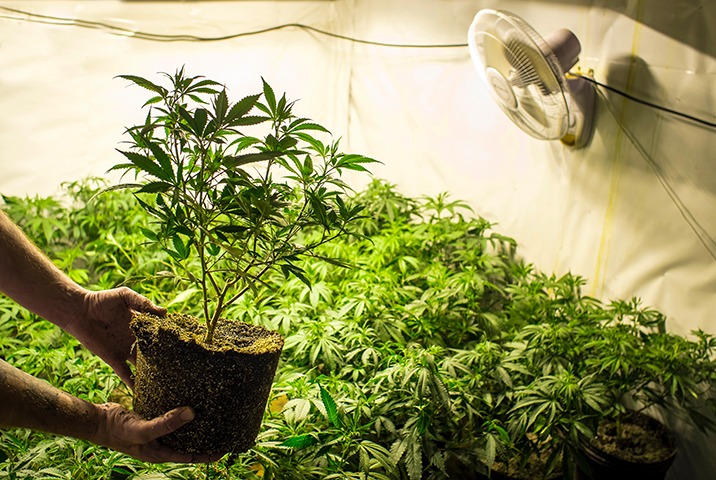
The growing interest in cannabis cultivation has led many urban and indoor growers to explore the possibilities of farming in small spaces. Whether you live in a high-rise apartment, a small urban home, or simply have limited outdoor space, growing cannabis is possible with the right tools, techniques, and knowledge. In this blog post, we’ll explore practical tips and advice for urban and indoor cannabis farmers, highlighting the importance of strain selection, space optimization, and growing techniques that can lead to successful harvests.
Understanding the Challenges of Small Space Cannabis Farming
Farming cannabis in a small space presents a set of unique challenges. Limited space can restrict plant growth, making it harder to manage environmental conditions and optimize plant health. However, with the right approach, these challenges can be overcome, allowing growers to enjoy high-quality cannabis cultivation in confined areas. One of the keys to successful urban and indoor cannabis farming is selecting the right cannabis strains, as some are more suited for small spaces than others.
The Importance of Choosing the Right Cannabis Strain for Small Spaces
When growing cannabis in small spaces, choosing the right strain is crucial. Some cannabis strains grow tall and bushy, which might not be ideal for indoor spaces with height limitations. Other strains, particularly those that are compact and low-growing, are better suited for small-space farming. Here are some characteristics to look for when selecting cannabis strains for small spaces:
- Indica Strains: These strains tend to be shorter and bushier, making them ideal for limited vertical space. Indicas also often have a shorter flowering cycle, which is beneficial for growers in small spaces.
- Autoflowering Strains: Autoflowers are perfect for indoor and small-space cultivation due to their smaller size and quick growth cycle. These strains don’t require a specific light schedule to flower, which is a benefit for those with limited space and growing time.
- Dwarf Varieties: Many breeders have developed dwarf or small cannabis strains specifically designed for compact spaces. These plants typically grow to a height of 1-2 feet, making them perfect for small spaces like windowsills or small grow tents.
Space Optimization: How to Make the Most of Your Growing Area
Efficiently using the available space is essential for maximizing yield while maintaining healthy plants. Here are some space optimization strategies for urban and indoor cannabis growers:
1. Vertical Growing: Utilize Every Inch of Space
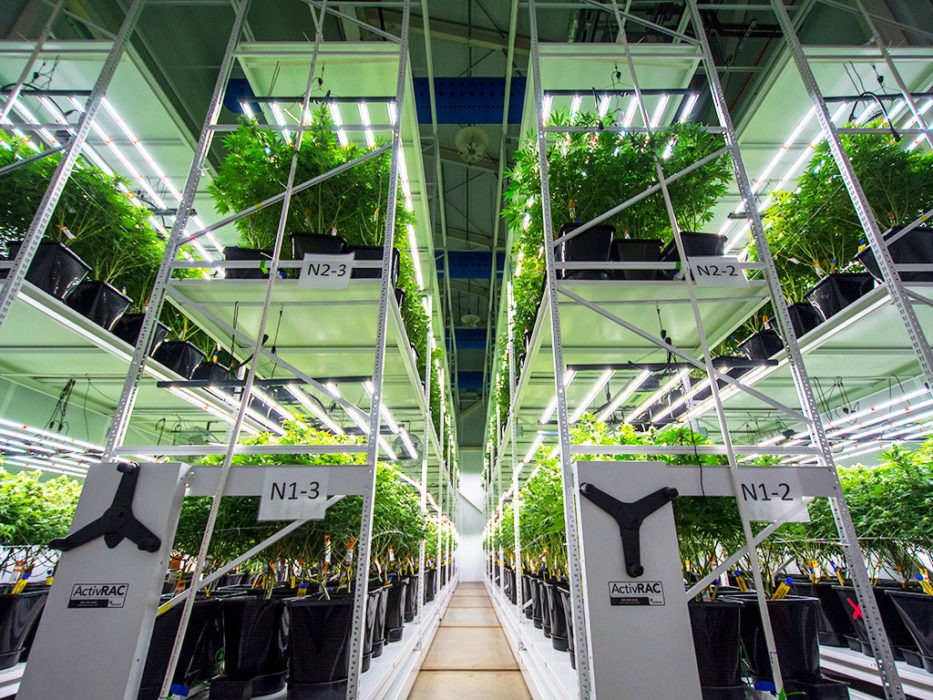
When growing cannabis in a confined space, don’t forget about vertical space. Vertical growing allows you to maximize every inch of your growing area. Using shelves, racks, or multi-tiered grow systems, you can create a vertical garden for your cannabis plants. This setup not only maximizes your growing area but also makes it easier to manage light distribution, airflow, and plant spacing.
2. Use Grow Tents and Cabinets
Investing in a small grow tent or cabinet is one of the best ways to optimize your limited space. Grow tents come in various sizes, so you can choose one that fits your space while providing the ideal environment for your cannabis plants. These tents usually have reflective inner walls, which help to distribute light more efficiently and maintain optimal humidity and temperature levels.
3. Training Techniques: Topping and Low-Stress Training (LST)
Cannabis plants, especially sativas, can become very tall. However, by using proper training techniques like topping and low-stress training (LST), you can control the plant’s shape and size. Topping involves cutting off the main stem to promote branching, while LST involves gently bending and tying down branches to create a bushier plant that stays low to the ground. These techniques are perfect for maximizing yield in smaller spaces.
Maximizing Light Efficiency for Indoor Cannabis Farming
Light is one of the most crucial factors when growing cannabis indoors. In small spaces, you may not have access to abundant natural light, so supplementing with artificial grow lights is necessary. The key to success is selecting the right lighting system and optimizing its use.
1. LED Grow Lights: A Popular Choice for Small Spaces
LED grow lights are a favorite among indoor growers, especially those working with limited space. They provide full-spectrum light while consuming less power and generating less heat compared to other lighting systems like High-Pressure Sodium (HPS) or Metal Halide (MH) lights. LED lights are also available in compact sizes, making them ideal for small areas. Be sure to choose LEDs with adjustable settings so you can fine-tune the light intensity based on the growth stage of your plants.
2. Proper Light Placement and Timing
It’s not just about having a light source; it’s also about how you use it. For small-space growing, make sure the lights are positioned directly above your plants to ensure maximum exposure. In addition, use timers to regulate the light cycle. For autoflowering strains, 18 hours of light per day is usually sufficient, while photoperiod strains need 12 hours of light and 12 hours of darkness to initiate flowering.
Climate Control: Managing Temperature and Humidity
In confined spaces, controlling the temperature and humidity is essential for preventing mold, mildew, and other issues that can harm your plants. Since you have limited room for traditional climate control equipment, you must rely on efficient methods to maintain an optimal growing environment.
1. Invest in a Small Humidifier or Dehumidifier
Depending on the ambient humidity in your space, it may be necessary to use a small humidifier or dehumidifier to regulate moisture levels. Maintaining the right humidity is essential for healthy cannabis growth. During the vegetative stage, a higher humidity level (around 60-70%) is recommended, while flowering plants do better with a slightly lower humidity (around 40-50%).
2. Monitor Temperature Carefully
Cannabis plants thrive in temperatures between 65°F and 80°F (18°C to 27°C) during the day, with a slight drop at night. Using a thermometer and a fan can help maintain airflow and prevent hot spots that could stress your plants. Make sure to keep your grow space away from heaters, air conditioners, or any other sources of extreme temperature fluctuations.
Soil and Nutrient Management for Small-Scale Growers
Soil health is critical for cannabis plants, and managing nutrients in small spaces can be a challenge. However, with the right soil and fertilizer choices, you can maintain healthy plants without taking up too much space or requiring too many additional resources.
1. Use High-Quality Soil for Healthy Growth
When growing cannabis in small spaces, it’s essential to use well-draining, nutrient-rich soil that provides the plants with the necessary nutrients. Consider using organic soil mixes designed for cannabis that come with balanced levels of nitrogen, phosphorus, and potassium (NPK). Pre-fertilized soils or super soil mixes can save time and effort, especially for novice growers.
2. Nutrient Supplementation and Careful Feeding
Small-space growers need to be mindful of nutrient supplementation. Cannabis plants, especially in confined spaces, may require additional feeding as the nutrients in the soil are quickly absorbed. Use liquid fertilizers or slow-release amendments to avoid overfeeding or nutrient burn. Be sure to follow the feeding schedule based on the stage of growth—vegetative plants need more nitrogen, while flowering plants benefit from more phosphorus and potassium.
Conclusion: Embrace the Potential of Small Space Cannabis Farming
Cannabis strain farming in small spaces is both challenging and rewarding. With the right strain selection, space optimization strategies, and growing techniques, you can cultivate high-quality cannabis even in the most limited areas. By investing in efficient lighting, climate control, and proper training methods, urban and indoor growers can maximize their yield and achieve success without needing a large outdoor plot. The key is to choose the right strains, create an optimized environment, and carefully monitor your plants’ growth. With these tips, you can make the most of your small space and enjoy the fruits of your labor.
