

Introduction
Cannabis is often categorized into three main types: Indica, Sativa, and Hybrid. These labels have become deeply embedded in cannabis culture and are commonly used to describe how a strain might make you feel. You’ve probably heard that Indica is relaxing, Sativa is energizing, and Hybrid is a mix of both.
But how accurate are these claims? As cannabis research evolves, experts are beginning to question whether these traditional categories truly reflect the effects people experience. To make informed choices, it’s important to separate common myths from real, science-backed differences.
Understanding the Basics of Cannabis Classification
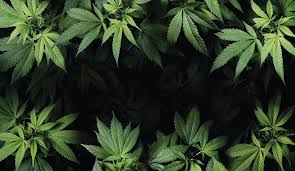
Historically, cannabis plants were classified based on their physical characteristics and geographic origins.
Indica
Indica plants are typically shorter and bushier, with wider leaves. They were originally grown in regions with cooler climates, such as mountainous areas.
Sativa
Sativa plants are usually taller, with narrow leaves and longer flowering cycles. They are commonly associated with warmer climates.
Hybrid
Hybrids are crossbred strains that combine characteristics of both Indica and Sativa. Today, most cannabis strains available are hybrids to some degree.
While these categories describe how the plant grows, they don’t always accurately predict how it will affect the body.
The Role of the endocannabinoid system
To understand how cannabis actually works, it’s essential to look beyond plant type and focus on how it interacts with the body.
The endocannabinoid system (ECS) is a network of receptors that helps regulate functions like mood, sleep, appetite, and stress response. Compounds in cannabis—known as cannabinoids—interact with this system to produce various effects.
The two most well-known cannabinoids are tetrahydrocannabinol (THC) and CBD. THC is primarily responsible for psychoactive effects, while CBD is associated with more subtle, non-intoxicating influences.
This interaction plays a much larger role in determining how a strain feels than whether it’s labeled Indica or Sativa.
Common Myths About Indica, Sativa, and Hybrid
Despite their popularity, many assumptions about these categories are oversimplified.
Myth 1: Indica Always Makes You Sleepy
It’s widely believed that Indica strains are sedating and best for nighttime use. While some strains may promote relaxation, this effect is not guaranteed.
The actual experience depends on the strain’s chemical composition, including its cannabinoid and terpene profile.
Myth 2: Sativa Always Boosts Energy
Sativa is often associated with uplifting, energetic effects. However, not all Sativa strains produce the same outcome. Some may feel calming or even mildly sedating depending on their composition.
Myth 3: Hybrid Means a Perfect Balance
Hybrids are often marketed as offering the “best of both worlds,” but this can be misleading. Each hybrid strain is unique, and its effects depend on its specific genetic and chemical makeup.
What Really Determines Cannabis Effects?
Modern research suggests that the effects of cannabis are influenced by more than just plant classification.
Cannabinoid Profile
The ratio of THC to CBD plays a major role. High-THC strains may feel more intense, while higher CBD levels can create a more balanced experience.
Terpenes Matter
Terpenes are aromatic compounds found in cannabis that contribute to its scent and may also influence its effects.
For example, some terpenes are associated with calming sensations, while others are linked to more uplifting experiences. This is part of what’s known as the entourage effect, where different compounds work together.
Individual Body Chemistry
Each person’s body responds differently to cannabis. Factors like tolerance, metabolism, and overall health can all influence the experience.
Real Differences Between Indica, Sativa, and Hybrid
While the effects may not be strictly defined, there are still some meaningful differences between these categories.
Growth and Appearance
Indica plants are compact and grow faster, making them suitable for indoor cultivation. Sativa plants grow taller and take longer to mature.
Hybrids vary depending on their genetic background.
Cultivation Considerations
Growers often choose between Indica, Sativa, and Hybrid based on climate, space, and desired yield rather than expected effects.
Genetic Lineage
Hybrids are bred to emphasize certain traits, such as flavor, aroma, or cannabinoid content. This makes them more customizable compared to pure Indica or Sativa strains.
Why the Industry Still Uses These Labels
If Indica and Sativa don’t fully determine effects, why are these terms still used?
Simplicity for Consumers
These labels provide a basic framework that’s easy to understand, especially for beginners.
Marketing and Tradition
The terms have been used for decades and remain deeply rooted in cannabis culture.
General Guidance
While not precise, they can offer a rough idea of what to expect, especially when combined with other information like THC content.
How to Choose the Right Cannabis Strain
Instead of relying solely on Indica, Sativa, or Hybrid labels, consider a more informed approach.
Check Cannabinoid Levels
Look at the THC and CBD percentages to understand potential intensity.
Explore Terpene Profiles
Learning about terpenes can help you predict how a strain might feel.
Start Low and Observe
If you’re new, begin with a lower amount and see how your body responds.
Consider Your Goals
Are you looking to relax, stay focused, or unwind at the end of the day? Your intention should guide your choice.
The Shift Toward a More Scientific Approach
As cannabis research advances, the industry is moving toward more accurate ways of describing products.
Instead of focusing only on Indica or Sativa, many experts now emphasize chemical composition and lab testing. This shift allows consumers to make more precise and personalized choices.
Over time, we may see less reliance on traditional labels and more focus on measurable factors.
Also Read: Cannabis and Neuroprotection: What Studies Suggest
Final Thoughts
The terms Indica, Sativa, and Hybrid have long been used to describe cannabis, but they don’t tell the full story. While they offer a basic understanding of plant structure and origin, they are not reliable predictors of how a strain will make you feel.
The real differences lie in the plant’s chemical profile—its cannabinoids, terpenes, and how these interact with the body’s endocannabinoid system.
By moving beyond common myths and focusing on science, you can make more informed decisions and find cannabis products that truly match your preferences.
