

Introduction
Storing cannabis seeds isn’t just about tossing them in a drawer and hoping for the best. These tiny powerhouses carry the genetic blueprint for your future plants, and the way you handle them today determines how well they germinate months—or even years—down the line. Whether you’re a grower saving special genetics, a hobbyist stocking up during a seed sale, or a breeder preserving your hard work, long-term seed storage is one of the most important skills you can master.
The good news? Cannabis seeds are surprisingly resilient when treated right. With proper storage, they can remain viable for five to ten years or more. But without the right conditions, they can deteriorate quickly, losing their ability to germinate or producing weak seedlings. Let’s walk through everything you need to know to keep your seeds healthy, stable, and ready to grow when you are.
Why Proper Seed Storage Matters
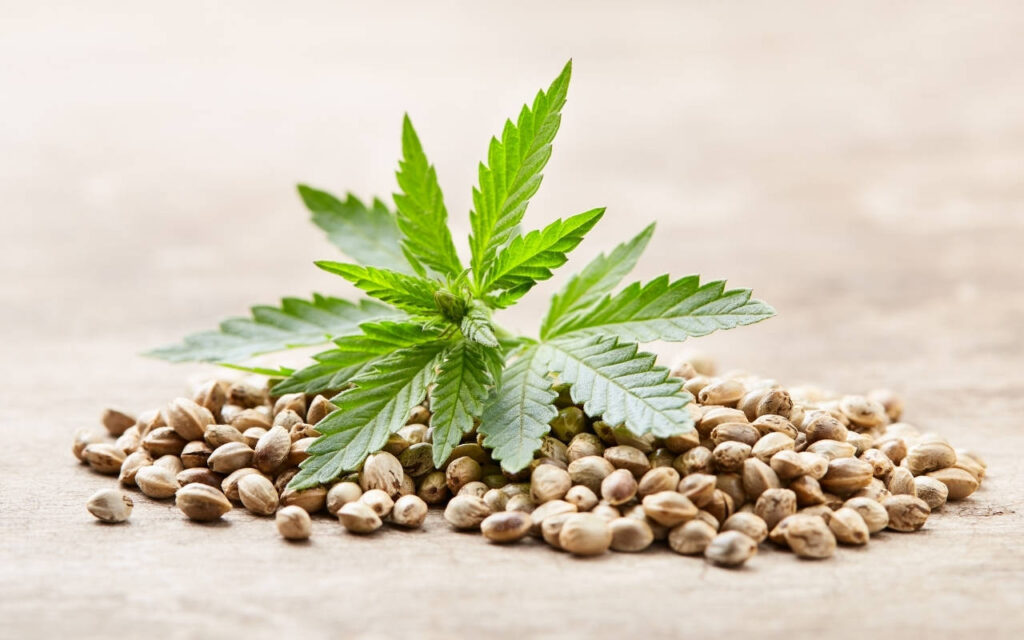
Cannabis seeds may look tough, but they’re sensitive to environmental stress. Heat, moisture, and light—the seed’s three biggest enemies—can trigger early germination, encourage mold, or damage the embryo inside the seed. Once the seed’s internal structure is compromised, even the strongest genetics can fail.
Proper storage keeps seeds dormant and protected. This slows metabolic activity and prevents premature sprouting, allowing the seeds to stay in a preserved state until you’re ready to germinate them.
Understanding the science behind seed dormancy is the foundation of good storage practices.
The Three Golden Rules of Seed Storage
Every grower should remember one simple formula:
Cool + Dark + Dry = Long-Lasting Cannabis Seeds
Each part plays a major role in keeping your seeds safe.
1. Keep Them Cool
Heat triggers metabolic activity inside the seed, pushing it closer to sprouting. But since we don’t want our seeds to germinate in storage, temperature must stay low and stable.
- Ideal long-term storage temperature: 4–8°C (39–46°F)
- Avoid temperature swings—they stress the seed.
- Never store seeds near heat sources or in warm rooms.
Refrigeration works well (more on that soon), but room-temperature storage can work for short-term holding.
2. Keep Them Dry
Moisture is the biggest enemy of stored seeds. Even slight humidity can lead to mold, rot, or early germination.
Target moisture level: 8% or lower
Humidity under 10% creates a safe environment for long-term storage.
3. Keep Them Away From Light
Light signals to a seed that conditions are right for sprouting. In storage, light exposure confuses the seed, speeds deterioration, and reduces germination rates.
A dark, sealed container keeps the seed in a quiet, dormant state.
Short-Term vs. Long-Term Storage: What’s the Difference?
Not all growers store seeds for the same length of time. The method you choose depends on how long you plan to keep them.
Short-Term Storage (0–6 months)
If you’re planning to use the seeds within a few months, simple storage works.
- Keep seeds in their original packaging or a small airtight container.
- Store in a cool, dark drawer or cabinet.
- Add a silica pack if humidity in your region is high.
This method is low-maintenance and ideal for frequent growers.
Medium-Term Storage (6–24 months)
This requires a more controlled approach.
- Use an airtight glass jar or UV-resistant container.
- Add a dry desiccant pack (silica gel, rice, or clay moisture absorber).
- Store in the refrigerator—not the freezer.
Refrigeration slows degradation significantly and helps maintain strong germination rates.
Long-Term Storage (2–10+ years)
For preserving prized genetics or breeding stock, you need maximum protection.
Recommended method:
- Vacuum-seal seeds in airtight packaging.
- Add desiccant to remove any moisture.
- Store in the back of a refrigerator or a temperature-stable freezer.
This setup minimizes oxygen, humidity, and temperature fluctuations, keeping seeds viable for many years.
Should You Freeze Cannabis Seeds? Understanding the Risks and Benefits
Freezing seeds is a debated topic among growers, but science supports that freezing can be an effective long-term storage method—when done properly.
The Benefits
- Extremely slow degradation
- Consistent temperatures
- Excellent long-term preservation
The Risks
- Ice crystals can damage the internal embryo
- Poor sealing can let moisture in
- Temperature changes can shock the seeds
When Freezing Works Best
- Seeds must be completely dry before freezing
- Packaging must be vacuum-sealed
- Seeds should remain frozen until use—no repeated thawing
If you follow these rules, freezing can keep seeds viable for a decade or more.
The Best Containers for Storing Cannabis Seeds
The container you choose is just as important as the storage environment. Not all containers protect seeds equally.
Recommended Options
- Airtight Glass Jars
- Excellent for controlling humidity
- Light-proof if tinted
- Durable and reusable
- Vacuum-Sealed Bags
- Best for long-term storage
- Removes oxygen and moisture
- Film Canisters or Pill Bottles
- Good for short-term storage
- Must be kept in a dark box or drawer
- UV-Proof Plastic Seed Tubes
- Designed for stability
- Protect seeds from direct light
Whatever container you choose, always add a desiccant pack for moisture control.
How to Prepare Seeds Before Storing Them
Healthy seeds store better. Before packing them away, do a quick check:
- The seeds should be fully matured (dark, firm, with tiger stripes or mottled patterns).
- They should be completely dry—seeds with lingering moisture will develop mold.
- Remove debris like plant matter or dust.
If you harvested the seeds yourself, allow them to dry for 7–14 days in a cool, dark area before storage.
Where to Store Your Seeds: Best Locations
Your home is full of microenvironments—some good, others terrible for seeds.
Excellent Storage Locations
- A low-use refrigerator (dedicated beverage fridge works great)
- A dark pantry or cabinet (short-term only)
- A temperature-controlled storage room
Places to Avoid
- Kitchens (humid and warm)
- Bathrooms (constant moisture fluctuations)
- Near windows
- Anywhere exposed to sunlight
A stable environment is essential.
How to Handle Seeds After Long-Term Storage
When you’re finally ready to germinate your seeds, don’t rush the process. Sudden temperature changes can shock them.
Steps to Reactivate Stored Seeds
- Let the sealed container reach room temperature
Leave it unopened for 8–12 hours. - Open the container only after warming
Prevents moisture from condensing on cold seeds. - Germinate using a gentle method
Paper towel, peat pellets, or distilled water soaking are safe options.
Stored seeds often take a bit longer to sprout, so be patient—even healthy seeds can need 48–96 hours.
How Long Can Cannabis Seeds Really Last?
With ideal storage conditions:
- Room temperature: 6–12 months
- Refrigerator: 3–5 years
- Vacuum-sealed + frozen: 10+ years
Some growers have reported successful germination from properly stored seeds that were more than a decade old.
That said, genetics, moisture levels, and overall seed health play major roles in longevity.
Common Mistakes to Avoid When Storing Seeds
Many growers accidentally ruin their seeds by making avoidable errors. Keep an eye out for these pitfalls:
- Storing seeds in plastic baggies: They aren’t airtight and allow moisture in.
- Opening the storage container frequently: Temperature shifts reduce viability.
- Storing seeds near appliances or warm rooms.
- Keeping seeds in non-opaque containers that allow light exposure.
- Forgetting to add a desiccant pack.
- Not drying freshly harvested seeds thoroughly.
Avoiding these mistakes dramatically improves long-term success.
Also Read: Rare and Exotic Cannabis Seeds: What Makes Them Special?
Final Thoughts
Learning how to store cannabis seeds the right way gives you the freedom to grow on your own schedule, preserve rare genetics, and plan future harvests without worry. With just a little preparation—cool temperatures, darkness, dryness, and proper containers—you can keep seeds viable for years.
The extra effort you put in today pays you back later in strong germination rates, healthy seedlings, and thriving plants. Whether you’re collecting breeders’ cuts or stocking up on your favorite strains during a sale, proper storage ensures those seeds will be ready when you are.
