

Introduction
For many people, cannabis starts as a powerful and noticeable experience. Over time, however, some users find that the same strain or dosage no longer produces the same effects. This gradual reduction in sensitivity is known as tolerance, and it’s a common phenomenon among regular cannabis users.
Understanding why tolerance develops—and how to manage it—can help you maintain a balanced, effective, and mindful relationship with cannabis. Whether you use it for relaxation, creativity, or wellness, knowing how your body adapts is key to getting the most out of your experience.
What Is Cannabis Tolerance?
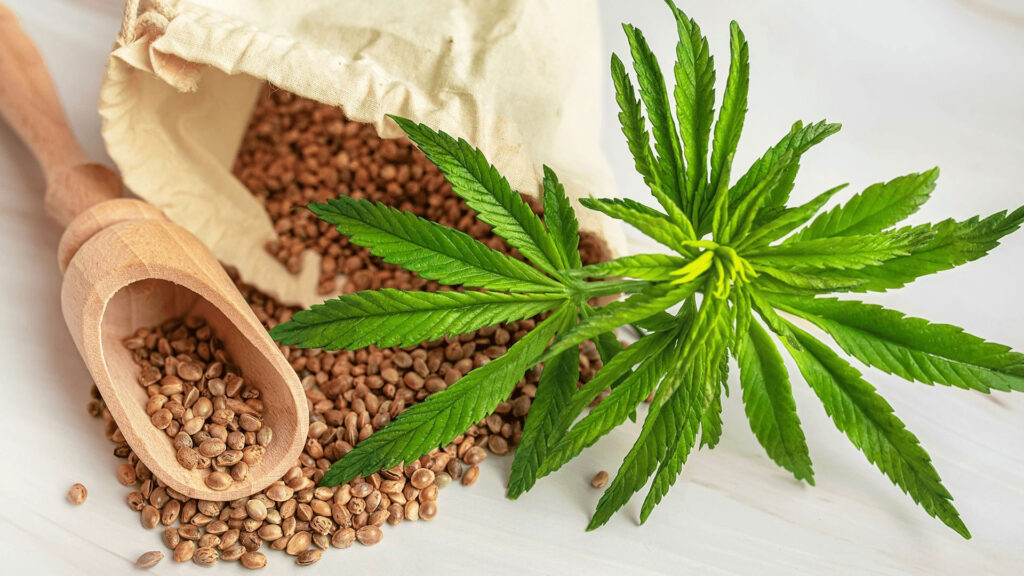
Cannabis tolerance refers to the body’s reduced response to cannabinoids after repeated use. In simple terms, your system becomes accustomed to cannabis, so you may need higher doses to achieve the same effects you once felt with smaller amounts.
This is especially common with frequent use of products high in Tetrahydrocannabinol (THC), the primary psychoactive compound in cannabis. As tolerance builds, the intensity of effects like euphoria, relaxation, or mental clarity may decrease.
Why Does Cannabis Tolerance Develop?
1. The Role of the Endocannabinoid System
At the center of cannabis tolerance is the Endocannabinoid System (ECS), a complex network of receptors that helps regulate mood, sleep, appetite, and stress.
Cannabinoids like THC interact with CB1 receptors in the brain. With frequent exposure, these receptors can become less responsive or decrease in number—a process known as downregulation. As a result, the same amount of cannabis produces weaker effects.
2. Frequency and Dosage of Use
Tolerance is strongly influenced by how often and how much cannabis you consume. Daily or high-dose use accelerates tolerance buildup, while occasional use tends to slow it down.
For example, someone using cannabis multiple times a day may notice changes much faster than someone who uses it only on weekends.
3. Potency of Cannabis Products
Modern cannabis products can vary widely in potency. High-THC strains and concentrates are more likely to increase tolerance quickly compared to balanced or low-THC options.
Over time, consistently choosing stronger products can lead to a cycle where higher potency becomes necessary to feel the same effects.
4. Individual Body Chemistry
Everyone’s body responds differently to cannabis. Factors like metabolism, genetics, and overall health can influence how quickly tolerance develops.
Some individuals may notice changes within weeks, while others may take much longer to experience the same shift.
Signs That You’ve Developed Tolerance
Recognizing tolerance early can help you adjust your habits before it becomes excessive. Common signs include:
- Needing more cannabis to feel the same effects
- Reduced intensity or duration of effects
- Feeling less “high” or relaxed than before
- Increased consumption frequency
If these patterns sound familiar, it may be time to reassess your usage.
How to Manage Cannabis Tolerance
1. Take a Tolerance Break (T-Break)
One of the most effective ways to reset your tolerance is to take a break from cannabis altogether. Even a short pause—ranging from a few days to a couple of weeks—can allow your ECS receptors to recover.
Longer breaks tend to produce more noticeable results, but even small breaks can make a difference.
2. Reduce Your Dosage
Instead of increasing your intake, try gradually reducing it. Lower doses can help your body regain sensitivity over time while still allowing you to enjoy mild effects.
This approach is especially useful for those who don’t want to stop using cannabis completely.
3. Switch to Lower-THC or Balanced Products
Choosing products with lower levels of THC or a balanced ratio of THC and CBD can help slow tolerance buildup.
Cannabidiol (CBD) is non-psychoactive and may even moderate the effects of THC, making it a useful option for maintaining balance.
4. Change Your Consumption Method
Different methods of consumption—such as smoking, vaping, or edibles—affect the body in different ways. Switching methods occasionally can alter how cannabinoids are absorbed and experienced.
While this doesn’t eliminate tolerance, it can provide a slightly different effect profile.
5. Practice Mindful Consumption
Being intentional about when and why you use cannabis can make a big difference. Instead of habitual use, consider using it in specific situations where it adds value—such as relaxing after a long day or enhancing a creative activity.
This not only helps manage tolerance but also improves your overall experience.
Can Tolerance Be Completely Reset?
Yes, in most cases, tolerance can be significantly reduced or even reset with enough time away from cannabis. The ECS is highly adaptive, and receptors can regain sensitivity when they are no longer exposed to frequent cannabinoid stimulation.
However, once you resume use, tolerance can build again—especially if old habits return. Maintaining balance is key to preventing rapid tolerance buildup in the future.
Potential Risks of High Tolerance
While tolerance itself isn’t necessarily harmful, it can lead to certain challenges:
- Increased consumption, which may affect your budget
- Greater reliance on high-potency products
- Reduced effectiveness for medical or therapeutic use
In some cases, high tolerance may also mask how cannabis is affecting your body, making it harder to gauge your limits.
Finding the Right Balance
Cannabis is most effective when used thoughtfully and in moderation. Managing tolerance isn’t about eliminating use—it’s about maintaining a level where you can still benefit from the experience without constantly needing more.
By paying attention to your body, adjusting your habits, and taking breaks when needed, you can create a more sustainable and enjoyable relationship with cannabis.
Also Read: Indica vs. Sativa vs. Hybrid: Myths and Real Differences
Conclusion
Cannabis tolerance is a natural response to repeated use, driven largely by changes in the Endocannabinoid System. While it can reduce the effects you once enjoyed, it’s also manageable with the right strategies.
Taking tolerance breaks, lowering your dosage, and practicing mindful consumption can help restore sensitivity and improve your overall experience. Rather than chasing stronger effects, focusing on balance allows you to get more value from cannabis in the long run.
Understanding tolerance isn’t just about science—it’s about making smarter choices that support your well-being and enhance how you use cannabis in your daily life.
