

Introduction
annabis has always been a topic of fascination — both celebrated for its therapeutic benefits and debated for its mind-altering effects. With growing legalization and scientific research, we’re beginning to understand the deeper connection between cannabis and the brain.
From enhancing mood and creativity to affecting short-term memory and focus, cannabis interacts with the most complex organ in our body in remarkable ways. Let’s break down how it actually works — and what that means for your mental clarity, emotions, and overall cognitive health.
Understanding the Brain’s Relationship with Cannabis
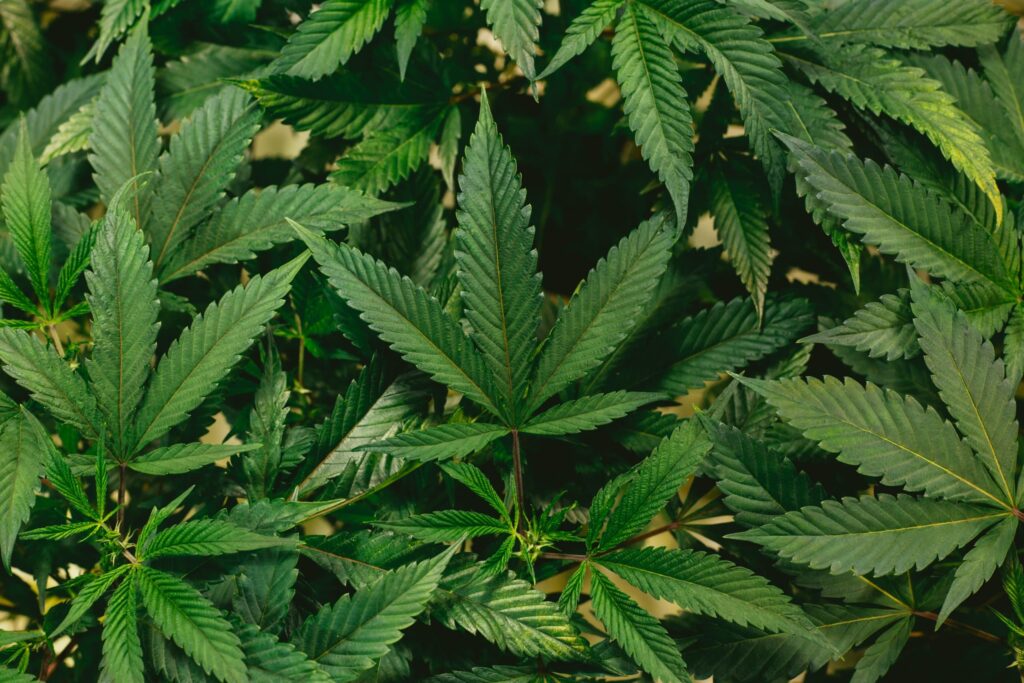
Before diving into effects, it’s essential to know how cannabis communicates with your brain. Cannabis interacts primarily with your endocannabinoid system (ECS) — a vast network of receptors and signaling molecules that regulate balance (homeostasis) in the body.
The ECS influences mood, memory, appetite, sleep, and even pain perception. When you consume cannabis, compounds like THC (tetrahydrocannabinol) and CBD (cannabidiol) bind to these receptors, particularly the CB1 receptors found in the brain.
- THC produces the “high” by activating CB1 receptors, altering neurotransmitter activity.
- CBD, on the other hand, doesn’t produce a high but helps regulate the ECS, promoting calmness and mental balance.
Together, these cannabinoids can either enhance or disrupt brain function — depending on dosage, strain, and individual brain chemistry.
How Cannabis Affects Memory
Memory is one of the most studied areas of cannabis research. If you’ve ever experienced short-term forgetfulness after using cannabis, you’re not imagining things.
Short-Term Memory
THC affects the hippocampus, the part of the brain responsible for forming new memories. When THC binds to receptors here, it temporarily disrupts how your brain processes and stores information. That’s why recalling details or following complex conversations might feel harder when you’re high.
However, this effect is usually temporary. Once THC leaves the system, memory function typically returns to normal. Long-term or heavy use, though, can alter hippocampal structure and may affect memory retention over time — especially if started at a young age when the brain is still developing.
Long-Term Memory and Learning
Chronic, high-THC use has been linked to subtle declines in learning and recall ability. Yet, researchers emphasize that context matters — factors like dosage, frequency, and strain potency all influence outcomes. Interestingly, CBD appears to have neuroprotective effects, possibly reducing THC’s negative impact on memory.
The Flip Side: Potential Benefits
Low doses of cannabinoids may actually enhance memory-related conditions. Emerging research shows potential in treating disorders like PTSD and Alzheimer’s disease, where the ECS helps regulate emotional memory and stress responses.
Cannabis and Mood: The Brain’s Emotional Circuit
Cannabis has a well-known connection to mood enhancement — but it’s not as simple as it seems. The key lies in how cannabinoids interact with dopamine and serotonin, two neurotransmitters that influence how we feel.
The Uplifting Effects
Many users report feelings of euphoria, relaxation, and contentment after consuming cannabis. THC stimulates dopamine release — the same chemical linked to pleasure and reward. This is why cannabis can elevate mood and reduce stress when used moderately.
CBD, meanwhile, has been shown to stabilize mood by influencing serotonin receptors (similar to how antidepressants work). This is why CBD-rich strains are often recommended for anxiety or depression relief.
The Downside of Overuse
Excessive or frequent use, however, can have the opposite effect. Overstimulation of dopamine pathways may blunt the brain’s natural reward system, leading to motivation dips or emotional flatness over time — sometimes referred to as “amotivational syndrome.”
In sensitive individuals, particularly those predisposed to anxiety or mood disorders, high-THC strains can trigger paranoia or anxiety spikes. So, balance is key — both in cannabinoid ratio and frequency of use.
The Therapeutic Potential
When used thoughtfully, cannabis shows promise for improving mental wellness. Studies suggest it may help:
- Alleviate symptoms of depression and anxiety.
- Reduce stress-induced cortisol levels.
- Enhance mindfulness and emotional regulation.
In essence, cannabis can either support or destabilize mood, depending on how it’s used. The goal is mindful moderation.
Cannabis and Focus: Can It Boost or Blur Mental Clarity?
Here’s where it gets interesting — cannabis can both sharpen and cloud your focus. The outcome depends on strain type, dosage, and individual tolerance.
THC and Attention
THC impacts the prefrontal cortex, the area linked to attention, decision-making, and impulse control. Low to moderate doses of THC may enhance focus and creativity, especially in tasks that require divergent thinking or imagination.
That’s why artists, writers, and musicians often describe cannabis as a “creative enhancer.” It helps them think outside conventional boundaries.
However, higher doses can impair attention span and slow cognitive processing, making complex tasks or sustained focus more challenging.
CBD’s Balancing Role
CBD helps counteract THC-induced overstimulation, bringing calm and clarity. It can also reduce anxiety that might distract from concentration. Many users find that CBD-dominant or balanced strains promote relaxed focus — ideal for studying, meditating, or working on creative projects.
The Science Behind Productivity and Cannabis
Research suggests that moderate cannabis use doesn’t necessarily harm productivity when used responsibly. Some studies even indicate enhanced cognitive flexibility — the ability to switch between ideas smoothly. However, consistent heavy use may dull executive functions and slow mental agility over time.
The Brain on Cannabis: Short-Term vs. Long-Term Effects
Let’s separate the immediate sensations from the long-term outcomes:
Short-Term Effects
- Euphoria or relaxation
- Altered time perception
- Increased sensory awareness
- Impaired short-term memory
- Shifts in attention and reaction speed
Long-Term Effects (with consistent use)
- Possible mild cognitive slowdown (reversible with abstinence)
- Improved emotional resilience in medical users
- Neuroplasticity stimulation — promoting healing and adaptation in certain cases
- Potential tolerance build-up or dependency (in heavy users)
Interestingly, modern research suggests that the brain is highly adaptable. Many cognitive effects of long-term cannabis use reverse after sustained breaks, especially when paired with healthy lifestyle habits.
The Role of Neuroplasticity: Can Cannabis Rewire Your Brain?
This is where science gets truly fascinating. Neuroplasticity — the brain’s ability to form and reorganize connections — underpins learning, memory, and recovery from injury.
Emerging evidence shows that cannabinoids can influence neuroplasticity by encouraging the growth of new neurons (a process called neurogenesis) in the hippocampus. This means cannabis could potentially support brain repair and cognitive resilience, particularly when combined with CBD or balanced THC levels.
CBD, in particular, has anti-inflammatory and neuroprotective properties that may protect brain cells from stress or oxidative damage. Researchers are now exploring CBD’s potential for conditions like Alzheimer’s, Parkinson’s, and depression, where neuroplasticity plays a central role.
Using Cannabis Responsibly for Cognitive Wellness
If you’re exploring cannabis for its mental or emotional benefits, here are a few practical tips for balanced use:
- Know Your Strains:
- Sativa-dominant strains often enhance energy and creativity.
- Indica-dominant strains tend to relax and calm the mind.
- Hybrids offer a balance depending on your needs.
- Mind Your Dosage:
Start low and go slow. Small doses can uplift and focus, while larger amounts may impair clarity. - Balance THC with CBD:
Choosing strains with higher CBD ratios can smooth out THC’s intensity and promote calm focus. - Set and Setting Matter:
Your mental state and environment influence how cannabis affects you. Use it in calm, positive settings for the best experience. - Take Breaks:
Regular tolerance breaks allow your brain to reset and maintain the plant’s benefits over time.
Also Read: The Life Cycle of a Cannabis Plant: From Seed to Harvest
Final Thoughts
Cannabis is neither a miracle enhancer nor a mental fog machine — it’s a complex plant that interacts intricately with the brain. When used mindfully, it can support mood balance, stimulate creativity, and even encourage brain healing.
But as with any powerful tool, the secret lies in how and why you use it. Moderate, intentional use — especially with attention to strain and dosage — can help you unlock the therapeutic potential of cannabis without compromising clarity or cognitive health.
As science continues to explore cannabis and brain function, one thing is clear: our understanding is only beginning. The brain, much like cannabis itself, is full of potential waiting to be explored — responsibly, curiously, and with respect for the balance it seeks to maintain.
