

Introduction
Cannabis is one of the most fascinating plants in the world, not only because of its effects but also because of the complexity of its growth. For anyone interested in cultivating cannabis—whether as a hobby, for personal use, or on a commercial scale—it’s essential to understand its life cycle. Each stage requires different care, nutrients, and environmental conditions to help the plant thrive and produce high-quality buds.
In this guide, we’ll walk you through the life cycle of a cannabis plant from seed to harvest, explaining what happens at each stage and why it matters.
The Life Cycle of a Cannabis Plant
Stage 1: Germination (1–10 days)
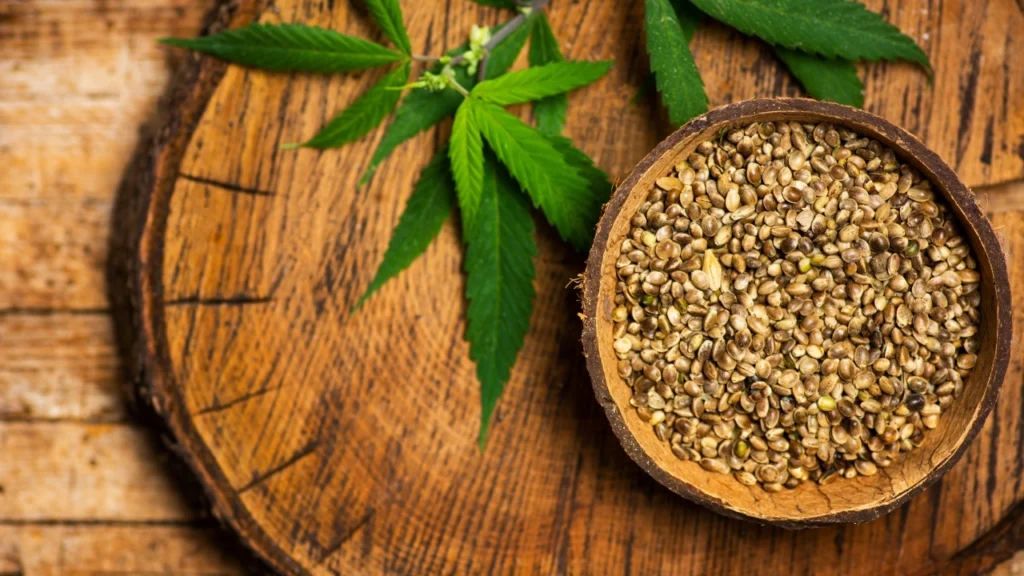
The journey begins with the seed. Cannabis seeds are small, oval, and usually brown with unique stripes. A healthy seed should be hard and dry to the touch.
During germination, the seed awakens and sprouts its first root, known as the taproot. This is the foundation of the plant’s root system. Within a few days, the seed will crack open, and a tiny sprout will emerge.
Key conditions for germination:
- Warmth (70–85°F / 21–29°C)
- Moisture (not too wet, not too dry)
- Darkness until the sprout emerges
Once the seedling develops its first two small leaves (cotyledons), it’s ready to be planted in soil or another growing medium.
Stage 2: Seedling (2–3 weeks)
At the seedling stage, the plant looks delicate and requires close attention. It begins producing its first “true leaves,” which are characterized by their serrated edges. The seedling is highly vulnerable to disease, pests, and overwatering at this point.
Seedling care tips:
- Provide 18–24 hours of light per day.
- Maintain a temperature of 68–77°F (20–25°C).
- Avoid nutrient overload—use mild feeding or nutrient-rich soil.
A healthy seedling will have bright green leaves, standing upright and free of discoloration.
Stage 3: Vegetative Growth (3–16 weeks)
The vegetative stage is when cannabis plants focus on growing strong roots, thick stems, and large fan leaves. This phase is all about building the plant’s structure so it can later support heavy buds.
What happens in the vegetative stage:
- Rapid growth of leaves and branches
- Development of a strong root system
- Plants can double or triple in size
Optimal conditions:
- Light cycle: 18 hours light / 6 hours dark
- Temperature: 70–85°F (21–29°C)
- Nutrients: High in nitrogen to fuel leafy growth
Growers often train plants during this stage using techniques like topping or low-stress training (LST) to encourage more bud sites and even canopy growth.
Stage 4: Flowering (8–11 weeks)
This is the most exciting stage, where cannabis plants begin producing the buds they’re known for. Flowering starts when light cycles shift—usually 12 hours of light and 12 hours of darkness for photoperiod strains.
Early flowering (weeks 1–3): Plants stretch in size and show pre-flowers (small hairs called pistils for females).
Mid flowering (weeks 4–6): Buds form and start to thicken. Trichomes—the tiny crystal-like glands—begin developing.
Late flowering (weeks 7–11): Buds swell, pistils change color, and trichomes become cloudy or amber, indicating ripeness.
Care during flowering:
- Reduce nitrogen and increase phosphorus and potassium.
- Keep humidity lower (40–50%) to prevent mold.
- Avoid stress—plants need stability for maximum yield.
Stage 5: Harvest (Time to reap the rewards)
The final step is harvesting the mature buds. Timing is everything—harvest too early, and potency will be low; too late, and effects may be overly sedative.
Signs your cannabis is ready to harvest:
- Pistils turn from white to reddish-brown.
- Trichomes appear milky white with some turning amber.
- Buds are dense and sticky to the touch.
Growers use magnifying tools to inspect trichomes closely before deciding on the perfect harvest window.
After harvest, buds must be dried and cured properly to enhance flavor, aroma, and potency while preventing mold.
Also Read: The Role of Terpenes in Cannabis: More Than Just Aroma
Final Thoughts
The life cycle of a cannabis plant is a remarkable journey—from a tiny seed to a lush, resin-covered plant ready for harvest. Each stage plays a critical role in the final product, influencing everything from yield to potency and aroma.
For growers, understanding these stages isn’t just about cultivating cannabis—it’s about cultivating patience, attention, and respect for the plant itself. Whether you’re a beginner planting your first seed or an experienced cultivator refining your process, knowing the life cycle is the foundation of successful growth.
